I think about my car like I think about my can opener—as a tool. So, when it was time for a new car, I bought the sturdiest, most reliable one I could afford. It’s a gray Toyota; one of a million. The antithesis of flashy. It does the job.
I like it just fine except for its wide windshield pillars. They’re a feature of the design–sturdy and safe–but they create a blind spot that is especially dangerous when I’m making a right turn. If I’m not careful and deliberate about leaning forward, checking and doublechecking, I can easily miss what’s right there next to me.
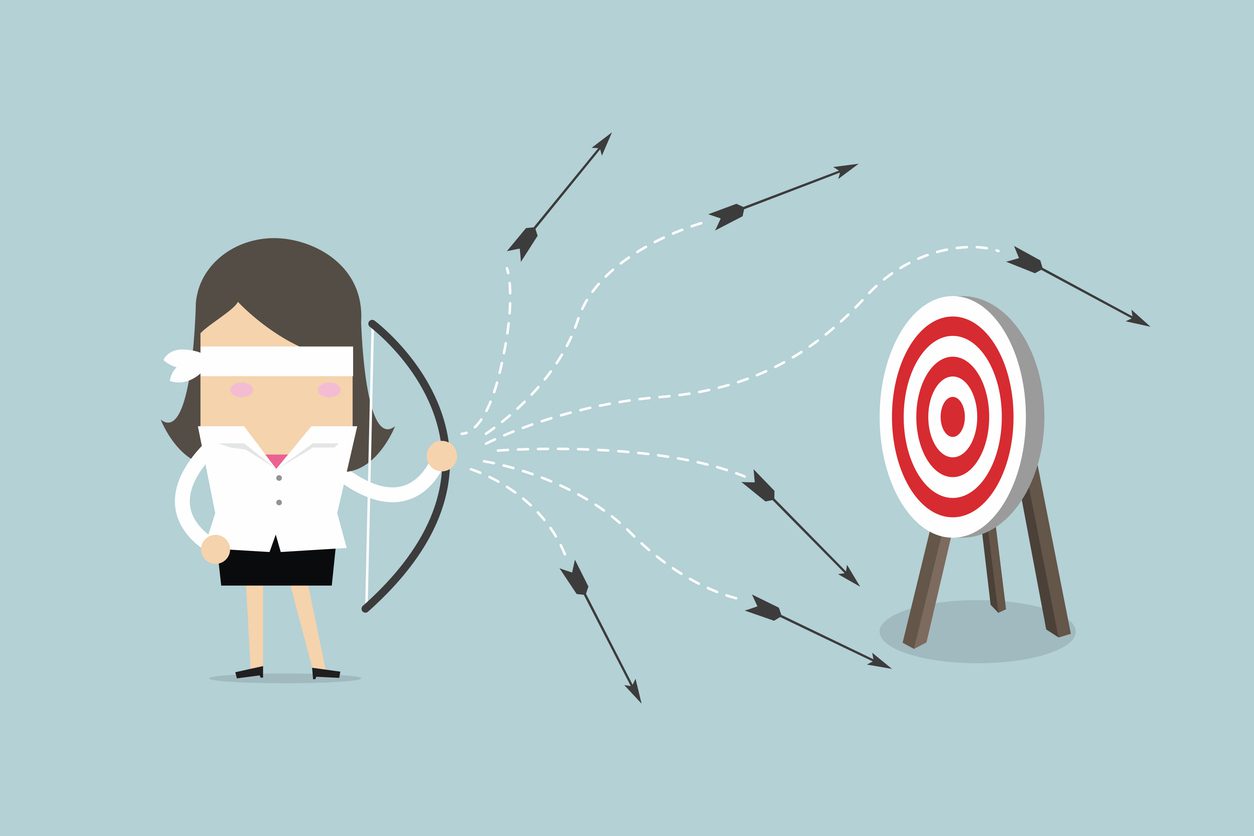
We humans have blind spots too.
A blind spot is something about ourselves that we cannot see. It can be a habit, a reaction, or a way of thinking that may be clearly visible to everyone around us. And just like those pillars on my car, our blind spots aren’t random. They’re often built right into our strengths. The very structures that kept us safe can block our view.
How our strengths become our blind spots
Our saboteurs, those inner critical voices that developed early in life to keep us safe, act like windshield pillars. They create an obstruction.
The Judge, for example, makes us intensely focused on what’s wrong: with ourselves, with others, with circumstances. We believe we are being perceptive. Others can experience us as relentlessly critical.
The Pleaser saboteur has us believe we are being generous and caring; we try to ensure everyone is happy. Others may feel they can never get a straight answer. The Stickler saboteur is certain their high standards are helping the team. Colleagues feel micromanaged.
This is how our saboteurs create our blind spots: we experience our saboteurs as virtues. We don’t know we need to lean forward and check our view.
Three ways to get a better view
Ever notice an unexpectedly strong reaction? Defensiveness, shame, or anger are often signals that a saboteur is blocking your view of what’s really happening. Take a few deep breaths or a walk around the block, then ask yourself what thought emerged to cause that reaction? Then do a gut check. Does that thought feel true or is it a story that a saboteur is telling you?
Try inviting honest feedback from someone you trust: “What’s one thing I do that might be getting in my own way?” Listen without defending, explaining or debating. Then, consider what you have heard. Does it resound somewhere in your body? Do you recognize it as true?
Look for repeating patterns. If the same frustrating dynamic keeps showing up with different people, that could be a blind spot signalling you. The common thread in all those situations is you — and that’s good news, because it means you have the power to change course.
If you recognise yourself in any of this — the reactions that seem bigger than the moment warrants, the feedback you’ve heard more than once, the pattern that keeps showing up — that could be a blind spot you may want to work on.
My coaching clients learn to identify their saboteur-driven blind spots, understand how they shape behaviour, and take steps towards the future they envision for themselves. If you’re curious about what your blind spot is obscuring, I’d love to have a conversation.