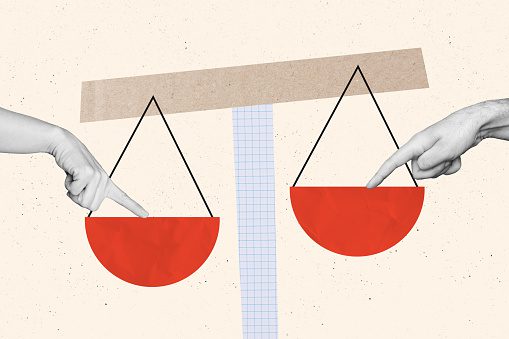
Do You Want More or Less in 2026?

Do You Want More or Less in 2026?

I’ve never found myself excited to write new year resolutions. This year I decided to give it a miss until I found Gretchen Rubin’s 26 for 2026.

The idea is to list twenty-six things you’d like to do by the end of the year. Her approach is to keep the exercise light. These items can be easy or ambitious, one-off or long-term projects. On her own list she includes walk faster!

I started my list enthusiastically but ran out of steam at nine items. Nine?!

Obviously, I needed to think differently about this practice; to stimulate my creativity, not just trigger my Avoider and Hyper-Rational saboteurs into creating yet another to-do list.

The Cost of Saying Yes

As nonprofit leaders, we’re often so focused on adding things to our plates that we ignore how that’s depleting us.

We adjust to the committee that hasn’t achieved anything meaningful in two years. The volunteer obligation that made sense five years ago but doesn’t serve your current goals. The task you took on because it was just easier to do it yourself than to train another junior employee.

These energy drains don’t disappear on their own. And they don’t magically become less exhausting when we add more on top of them.

As someone recovering from and studying burnout, I soon realized that every yes to a new item on my 26 for 2026 was in danger of draining not energizing me.

Michael Bungay Stanier, a playful guy and author of The Coaching Habit, came to the rescue with two questions for 2026.

What do you want more of this year?

And what do you want less of?

Michael’s questions allowed me to catch hold of some of the ideas that had been darting around in the back of my mind like goldfish in a dark pond.

They helped me see that before I could commit to anything new, I needed to get honest about what was draining my energy. And that means saying no to those drainers wherever I can.

Creating Space for What You Want

This is where my “more or less” list finally came together.

In 2026, I want less indecision and procrastination, less “futzing about” (as my mother would say), less self-criticism and self-sabotage. These all drain my energy without contributing to my goals.

And, that creates space for what I want more of: more momentum, more real-life connection and collaboration, more fun and play, and more intentional rest.

Your Turn

What would it look like to protect your energy this year?

What draining commitments, relationships, or habits need to go so you have space for what you truly want? What would become possible if you removed just one or two significant energy drains?

How I Can Support You in 2026

If you’re ready to stop tolerating what drains you and start creating space for what energizes you, I have three ways to work with me in 2026:

Mental Fitness Group Programs for Nonprofit Leaders — Join other nonprofit executives in a 7-week coaching program where you’ll learn to recognize and intercept the saboteurs that keep you stressed and build the mental fitness to honour your boundaries and take action on your priorities. The next program begins March 2.

Mental Fitness plus 1:1 Executive Coaching — Combine the group program with individual executive coaching sessions where we’ll apply these tools specifically to your nonprofit leadership challenges and goals.

Mental Fitness plus 1:1 Executive Coaching and VIP Day — Get the complete package including a VIP day where we’ll dive deep into your specific situation, create your strategic plan, and build your roadmap for the year ahead.

Reply to this email or book a call to explore which option is right for you.

P.S. Although I’ve added to my 26 for 2026 list, it still isn’t finished—and I’ve decided that’s perfectly fine. Some spaces are meant to stay open until inspiration strikes.

You Always Have Choice

You Always Have Choice

On this particular morning, near Delphi, the sun was bright but not yet scorching. I was squinting to see up the road for the bus that would take me and my recently acquired travel companion south to Athens. I remember feeling the cool air warming up and hearing the insects buzzing in the trees.

Over the noise of the insects, traffic, and conversation among the people waiting for buses, I could also hear my travel companion complaining about something…again. I felt a weariness on my shoulders and reluctance in my head to spend more hours with them especially in the close confines of a bus. But I had agreed to travel together, at least as far as Athens.

As the bus arrived and the door opened, I started to ready myself to board. Looking up at the destination sign on the front, I knew just enough Greek to realize that this was the wrong bus; it was heading north, not to Athens.

I got on the bus and went north—alone.

Was that a ‘nice’ thing to do? No.

Was it a turning point for me? Yes, a big one.

In that moment I made a choice; I chose myself.

It was a shocking and profound moment. I still remember the feeling more than 35 years later.

Why do we give away our choice?

Why do we live our lives as if our responsibility is to support others, what they need and want?

Have you been there?

Doing things because a voice in your head told you it was required?

  • Staying late to finish the report because your board wants to read it over the weekend?

  • Biting your tongue to keep the peace at another family gathering?

  • Taking the first job offer because it’s the responsible thing to do?

Those internalized messages to be a good girl, good employee, or good parent are so deeply embedded, we often don’t even notice them.

I almost went to Athens that day because my brain (and my upbringing) told me I had no choice…except my brain was wrong, I did have a choice.

Awareness brings choice

Those feelings of weariness and reluctance? They were familiar. They were messages to pay attention. The moment I connected the physical feelings with the internalized message to be good, was self-awareness that I was not making a choice for me.

That pause where I saw I had a choice—changed me. I began to understand that I always have a choice, even when my inner saboteurs are working overtime to convince me we don’t. And, when the choice might be to honour what I wanted even though I was letting someone else down.

The choices you’re not seeing

Our saboteurs are experts at hiding our choices from us. The Avoider whispers that we “can’t” face the hard thing right now. The Controller insists that only we know the right way to complete the task. Pleaser says that what other people want is most important. Old habits of thought feel automatic, like they’re just “who we are.”

The truth is that even recognizing the habit IS a choice—and a powerful one.

When I paused at the bus stop, I made several choices without realizing it at first. I chose to listen to all that I was feeling and not override it. I chose curiosity about what I wanted. I chose awareness over autopilot.

You don’t have to believe everything you think

Looking back, I now can recognize the embodied weariness I felt as a saboteur-induced feeling and the belief, a saboteur belief. In my case, it was Avoider with a side order of Victim.

These beliefs and feelings in our bodies and in our hearts feel completely true and real because they are. But rather than believe every thought we have, what if you paid attention to that thought? Held it up to the light and explored it with curiosity? Maybe it’s not a fact but a belief to release?

When old patterns return

Old patterns can be hard to recognize and overcome. When old patterns resurface, it’s just a reminder that you’re human.

Mental Fitness tools have been helping me overcome my inner sabotage for years and my saboteurs still regularly show up. The difference isn’t that the patterns disappear—it’s that when I recognize them, I usually know I have a choice in how I respond.

I work with my executive coaching clients to pause and notice their feelings and inner voices. Rather than react from a belief that they have no choice, I coach them to be curious about any physical feelings or emotions that arise and to ask themselves about that belief to decide if it is true or not. If it is not true, to make a choice and to consider taking one small step towards what they truly want and believe. To sometimes make choices that not everyone else is going to like. And to be compassionate with themselves as imperfect, lovely humans.

A challenge for you

Notice when you believe you have no choice. Pause—even for ten seconds of PQ reps or deep breathing—and explore:

  • Is this belief true and based in fact?

  • What are the physical or emotional sensations that I’m feeling?

  • Are these saboteur messages that I can let go of?

It’s both important to acknowledge the feelings and beliefs AND not let them make all your decisions.

If you’re ready, ask yourself what’s the smallest choice you can make for you?

You don’t have to make massive changes. Often the most effective choice is very small: put on your workout gear, open the document, say no to the request.

The beauty of small choices is that they remind you that you have agency. They build evidence that you’re not stuck, even when your brain tells you that you are.

Make that choice of awareness, action, or self-compassion, intentionally. Notice how it feels to exercise your agency, even in a small way.

Notice how it feels to choose you.

🚌   🚌   🚌   🚌   🚌

Curious about nonprofit executive coaching?

Ready to start building your capacity to recognize and exercise choice?

I have space in my schedule now for three nonprofit executive coaching clients.

Reply to this email or book time on my calendar here to explore if working with me is right for you

.

The Dopamine Challenge Every Nonprofit Leader Faces (And How to Win It)

The Dopamine Challenge Every Nonprofit Leader Faces (And How to Win It)

It’s 5 PM and you’re exhausted from another day of nonprofit leadership. The board meeting was brutal, your inbox exploded, and a major project partner just ghosted you. Your hand reaches for the wine bottle almost automatically. Or maybe it’s the snack drawer. Or online shopping. You know these habits aren’t serving you, but somehow you keep coming back.

Here’s what’s actually happening: you’re chasing dopamine.

And nonprofit executive coaching can help you understand why.

What Dopamine Is and Why It Matters

Dopamine is a neurotransmitter—a chemical messenger your brain uses to send signals between nerve cells and throughout your body. It plays a starring role in how you experience pleasure, rewards, motivation, and focus.

When you do something that feels good, your brain releases a rush of dopamine. That rush feels so satisfying that you naturally want to repeat whatever triggered it. This reward system affects everything from your ability to learn and concentrate to your sleep, mood, and stress response.

The problem? Your brain doesn’t distinguish between dopamine from a productive afternoon and dopamine from the third pair of shoes in your cart. It just knows it wants more of that good feeling.

The Dopamine Dilemma for Nonprofit Executives

When dopamine levels are balanced, you feel motivated, alert, and focused. But when they’re low—which can happen with chronic stress, poor sleep, and the relentless demands of nonprofit leadership—you experience:

  • Little motivation to tackle your goals
  • No pleasure in activities you once enjoyed
  • Low energy and difficulty concentrating
  • Anxiety, sadness, or trouble sleeping

Sound familiar? Many nonprofit leaders are walking around with depleted dopamine, reaching for quick fixes that provide temporary relief but leave them feeling worse in the long run.

The Solution: Healthy Dopamine Swaps for Leadership Wellness

The good news is that you can increase dopamine naturally through:

  • Regular exercise and adequate sleep
  • Foods high in magnesium and tyrosine (think chicken, leafy greens, almonds, bananas)
  • Meditation and mindfulness practices
  • Mental Fitness and PQ Reps

Wait! PQ Reps increase dopamine?

Yes, yes they do.

The shift in consciousness while practicing PQ Reps triggers dopamine release. But unlike pricey shoes or more chocolate, PQ Reps give you the dopamine boost without the downside.

The Foundation of Mental Fitness for Nonprofit Leaders

I think of PQ Reps as the foundation of Mental Fitness—a leadership development practice that strengthens your ability to respond to challenges with clarity rather than stress. When you do a PQ Rep, you’re activating the parts of your brain associated with calm, clear-headed action—what I call your Sage brain. At the same time, you’re quieting the region that generates stress and self-sabotage.

PQ Reps are like push-ups for your brain. Each 10-second rep—whether you’re focusing on your breath, rubbing your fingertips together, or listening intently to sounds around you—literally builds new neural pathways. With consistent practice, you train your brain to shift from stress-driven reactions to wise, values-based responses. And you get that dopamine hit your brain craves.

When I notice myself wanting an indulgence that provides dopamine but isn’t healthy—sweets, shopping, scrolling—I pause and do PQ Reps instead. I focus intensely on physical sensations: the feeling of my fingertips rubbing together, my feet on the floor, and the sounds around me. Within seconds, my brain starts to deliver the dopamine hit it was craving, and I’ve strengthened my mental fitness instead of undermining it.

Your Dopamine Challenge

This week, identify one unhealthy habit you use for dopamine hits. Maybe it’s scrolling social media when stressed, snacking, or pouring wine at the end of hard days.

Then, try this swap: when the urge hits, do 10 seconds of PQ Reps instead. Rub your fingertips together and focus entirely on the sensation. Or close your eyes and listen to the layers of sounds around you.

You might be surprised to discover that your brain doesn’t actually care whether the dopamine comes from the wine bottle or from 10 seconds of focused attention. But your body, your leadership, and your nonprofit organization will definitely notice the difference.

Nonprofit Executive Coaching & Mental Fitness

Curious about how nonprofit executive coaching and Mental Fitness can help you build sustainable habits that support your wellbeing and nonprofit leadership? Let’s connect for a complimentary discovery call. We can explore if this work is right for you.

Building Resilience Before You Need It

Building Resilience Before You Need It

Last week, I had the privilege of recording three short “chats” about resilience for students in the University of Toronto Arts Management Program. This newsletter is based on my remarks.   

🌻🌻🌻

In 30-plus years working in the arts, I’ve seen too many talented leaders hit a wall. Not because they weren’t capable or committed, but because they didn’t know how to recognize the warning signs of burnout or what to do about them.

I experienced this myself in a job where my workload was heavy but manageable, until it wasn’t. Over time, I had less autonomy, inadequate recognition for my efforts, and an employer who refused to discuss fair compensation or workload adjustments. I didn’t know then what I know now: that burnout doesn’t always announce itself with trumpets. It can creep up quietly.

The Real Cost of Burnout

Burnout isn’t just about working too many hours for too long, although that’s part of it. It’s a medical condition that shows up as:

🔥  Exhaustion: waking up tired and disrupted sleep that doesn’t refresh you
🔥  Cynicism: feeling like your work doesn’t matter, growing pessimism and a negative attitude
🔥  Ineffectiveness: working hard but accomplishing little, not knowing where to start, and feeling incompetent

These symptoms don’t happen in isolation. Burnout typically results from six workplace factors: excessive workloads, lack of autonomy, insufficient rewards (both extrinsic and intrinsic), absence of supportive community, and unfair treatment.

Sound familiar? It does to many arts leaders I work with.

What Resilience Actually Means

I like to think about resilience as a mental muscle that helps us recover from setbacks and disappointments. The stronger this muscle, the more quickly we bounce back. Resilient people are less likely to react negatively to stress, less prone to self-sabotage through perfectionism, people-pleasing, or hyper-vigilance.

In many ways, building resilience means creating the opposite conditions of burnout: learning to say no to excessive demands, making decisions and taking action from a place of clarity, developing genuine self-esteem, and cultivating supportive relationships.

My Path Back

When I finally recognized I couldn’t power through my exhaustion, I started with the fundamentals. With my doctor’s support, I focused on regular sleep, healthy eating, and movement. These aren’t optional extras; no one is actually at their best on five hours of sleep and coffee alone, no matter what we tell ourselves.

I committed to daily meditation and started journaling. Both gave me space for self-reflection and helped me notice patterns in my habits and behaviors that weren’t serving me. I became more aware of what I actually wanted, not just what others expected of me.

The last piece was making time for what restored my spirits: friends, family, hobbies, creativity for its own sake, time in nature, and being present with my daughter.

This didn’t happen overnight. Recovery from burnout and building resilience is a process. Don’t try to do it all at once—that just adds to your stress.

And What About Work?

Eventually, I left that job. As I developed resilience, I was able to set firmer boundaries and say no to unfair treatment. I built a network of colleagues who supported me and helped rebuild my self-esteem. I explored options and found work that was a better fit.

Here’s what I want you to know: if you’re working with a coach, counselor, or therapist to recover from burnout, that work should include examining your behaviors and patterns, your mindset, and the challenges in your home and work life.

One client came to me exhausted after running multiple small organizations through COVID. Their boards were demanding but mostly unhelpful. The pressure to pivot and fundraise for new programs, largely alone, was enormous. We worked together to see how their tendency to people-please and be hyper-vigilant was contributing to burnout. We created a plan that addressed the whole person—mindfulness, exercise, working with a naturopath—and importantly, improving boundaries and learning to say no.

How to Build Resilience Now

You don’t have to wait until you’re burned out to start building resilience. Start with what feels most urgent or important to you:

💪 Body:  Pay attention to sleep, nutrition, movement, and rest (which is different from sleep).

🧠 Mind:  Make time for self-reflection through meditation, journaling, walking, or other practices that create space for awareness.

💛 Heart:  Prioritize creativity for its own sake, hobbies and play, nourishing relationships, spiritual practices, pets, and time in nature.

💼 Work:  Develop skills like time management, prioritizing, and delegation. Learn to recognize when your brain and body are saying no. Practice having courageous conversations. Set and maintain boundaries. Understand your patterns of self-sabotage—perfectionism, controlling behavior, hyper-vigilance, people-pleasing, avoidance—and learn to intercept them.

Resilient leaders are more successful because they can draw on their creativity, innovate, and focus on taking action to achieve their goals. Burnout isn’t inevitable. Building resilience is a process that anyone can follow.

🌻  Interested in learning more about burnout and resilience? I’m planning a short series of newsletters focused on burnout and resilience as I work towards certification as a burnout specialist with Dr. Neha Sangwan, author of “Powered By Me: From Burned Out to Fully Charged at Work and in Life.” Email me at lucy@lucywhite.ca with “RESILIENCE” in the subject line and I’ll add you to the list.

🌻 Curious about building resilience and reducing stress in your leadership? The next cohort of the Calm Confident Nonprofit Leader program launches in the new year. Let’s connect to explore if this work is right for you.

Finding Gratitude When Life Feels Hard

Finding Gratitude When Life Feels Hard

Some post-Thanksgiving reflections on how to cultivate gratitude

As Thanksgiving fades in the rearview mirror, some of us return to our regular lives feeling grateful for family and friends, delicious food, and opportunities to gather together. But what happens when that feeling of gratitude dims? Or maybe we struggled to find any feelings of gratitude—when work is overwhelming, relationships are frayed, or our life circumstances leave little to feel grateful for?

This is when gratitude matters most and can be of most benefit to our wellbeing. And it’s also when gratitude feels hardest to find.

What is Gratitude?

I think most of us understand that gratitude is the appreciation of what is valuable and meaningful in our lives; it can also be a general state of thankfulness and appreciation. But here’s what makes gratitude particularly powerful: being grateful is a choice, an ongoing attitude that is relatively immune to the ups and downs in life.

This distinction between feeling grateful and being grateful changes everything. We don’t have to wait to feel positive. We can choose a grateful perspective even when or especially when, circumstances are difficult.

Why Bother with Gratitude?

The research on gratitude’s benefits is compelling. Developing feelings and practices of gratitude are related to a greater sense of satisfaction with life, better mental health, and fewer symptoms of anxiety and depression.

How does this work?

Consistent gratitude practice triggers changes in our brains (yay, neuroplasticity!) that over time alter our perceptions by modifying what we focus on. By shifting our focus from life’s negatives and deficits, we learn to focus on what we do have.

In other words, gratitude practices actually rewire your brain to experience more gratitude over time. The more you practice, the easier it becomes.

Three Simple Practices for Cultivating Gratitude

  • The Gratitude Prompt

Each morning as soon as you wake up, repeat the phrase, “Today is going to be a great day.” This phrase directs your brain to watch for and find evidence that the day is a great day. Slowly, your brain chooses to focus on positive experiences and dwells less on negative occurrences.

  • Gratitude Across Time

Each morning, bring to mind one thing from your past you’re grateful for, one thing in the present, and one thing you’re hopeful about in your future.

  • The Gratitude List or Journal

Before bed, write down three to five things you’re grateful for each day or week. Keep it simple and consistent. Consistency is key since that’s what stimulates your brain to rewire for gratitude.

When Gratitude Feels Impossible

If you’re struggling to feel grateful right now, you’re not selfish or needy. Finding gratitude when life feels hard is not about denying the challenges we face (or faced). Your inner saboteurs may be telling you that should be grateful. When we deny our reality and disregard our feelings it can lead to ‘toxic positivity’ where we are told (or tell ourselves) that we should feel grateful when we actually don’t.

Instead, gratitude is about finding the perspective needed to navigate those challenges with grace and resilience.

I use the framework of “accept or convert” to point out that even in truly terrible situations, we have choice in how we respond. When facing a difficulty, we might choose to experience the situation as one we will accept. It could be minor or major circumstance (a traffic jam or a significant illness, for example) and we can choose to accept the situation rather than let ourselves feel outraged or helpless. By choosing to accept, we are better equipped to tap into our inner resources; to explore the facts and solutions available to us.

Alternatively, we can convert the situation by actively looking for the gift or opportunity that is hidden inside. We can all think of times when what appeared to be a negative experience, being fired for example, ends up being an opportunity for growth or change. It might take days, months, or even years, to feel grateful for what occurred. For really big setbacks or losses, you may need more time, professional support, and repeated practice, before the gift or opportunity emerges. We may never feel completely grateful for these experiences, but we can feel grateful for some aspects.

Your Gratitude Challenge

This week, I invite you to choose one of the three practices above and commit to it daily. Notice when your Judge or other saboteur shows up to criticize your gratitude practice or tell you that you’re not doing it “right.” Simply acknowledge that voice and return to the practice.

Gratitude, like any skill worth developing, requires practice. The good news is that each time you practice, you’re literally rewiring your brain to experience more ease, more appreciation, and more resilience.

Do you have a gratitude practice? Take a moment and reflect on any changes have you noticed in your outlook since starting. If you haven’t practiced gratitude yet, is negative thinking getting in your way? How might you flip your negative thinking to positive? (Hint: be literal! If you catch yourself thinking, “this will never work” try “this will work.”

Three Reasons Your Personal Boundaries Don’t Work (And How to Fix Them)

Three Reasons Your Personal Boundaries Don’t Work (And How to Fix Them)

“Thank you for thinking of me but I’m not available at this time.”

This is all I wrote when I declined to write a graduate school reference letter for a former colleague I had worked with briefly.

I had been brooding over my reply for a couple of weeks. I was surprised by how resentful I felt about this request. When the first email was followed by a second and then a text, I felt pushed. The text felt aggressive.

At the same time, I felt petty to be wanting to protect my time and boxed in by the request, feeling that I was holding this person’s future in my hands and therefore was obligated to agree.

What to do?

The Uncomfortable Truth About Boundaries

Life coach Nancy Levin says, a boundary is an agreement between you and yourself about what you will or will not do, accept or tolerate. A boundary is how you uphold a value or principle in your life. It is not about controlling other people and their behaviour. When you experience resentment, guilt, and other negative feelings, those feelings are signals that you are disrespecting your own boundaries.

Take a minute and let that sink in.

In my case, someone asked me to do them a favour and I felt resentful to have been asked even though I had total freedom to say no. So why did I have big negative feelings?

Digging deeper, I realized that I didn’t believe I had the right to protect my time, I didn’t have a “good reason” to decline, and more painfully, I didn’t feel I had the right to say no to a request with absolutely nothing in it for me.

Aha! My saboteurs wanted me to ignore my boundaries so they were sending me the message that I was not entitled to value myself that highly.

I felt selfish saying no but I did it anyway because what I really wanted, more than earning goodwill for writing the letter, was time to myself.

Three Common Boundary Mistakes You Are Probably Making

  1. Boundaries are not about other people; they’re about you. You may want cousin Babs to stop making sexist jokes but your boundary is not a rule for them. It’s a rule for you. A clear statement about your boundary could be: “Babs, I don’t appreciate sexist jokes, so I’m going to leave if you continue.”
  2. Resentment and guilt are signals that you, not others, are disrespecting your boundaries. When someone else’s behaviour triggers those feelings ask yourself what boundary is being challenged and why you feel you can’t say no. Saboteur-driven wants could be needing to: be liked or to earn affection, be a hero, avoid criticism or blame, or control another person’s experience. Protect your boundaries and say no to requests or circumstances that are out of alignment with what you truly want.
  3. Boundaries are not walls, they are gates. Levin uses the metaphor of healthy, well-maintained personal boundaries as gateways to freedom. When you guard your values and principles, and focus on what you most desire, boundaries support you and your goals by creating space, preserving your energy, and maintaining your emotional safety.

Saying No Without Guilt

I’d like to tell you that saying no to writing the letter caused my feeling of selfishness to vanish. The reality is that I need more practice at setting healthy boundaries, recognizing and correcting my own boundary-breaking thoughts and behaviours, and more comfort with valuing myself highly enough to say no.

And, I’ll keep practicing and sitting in the discomfort until I get there.

If you realize you need to  develop or refine healthy boundaries for work or home, connect with me here to explore how Mental Fitness coaching can help.